Wednesday, March 9, 2011

Lesson Plan Six:James and the Giant Peach by Roald Dahl

Author as Mentor Blog Lesson Six
Focus Trait: Idea Development
Support Trait: Word Choice
Grade Level: 7-9
Mentor Text: James and the Giant Peach by Roald Dahl
Ohio Department of Education Academic Content Standards for Language Arts:
  • 11-12 Program pg. 174: Writing: Writing Processes, A. Formulate writing ideas and identify a topic appropriate to the purpose and audience.
  • 11-12 Program pg. 174: Writing: Writing Processes, B. Select and use an appropriate organizational structure to refine and develop ideas for writing.
  • 11-12 Program pg. 174: Writing: Writing Processes, C. Use a variety of strategies to revise content, organization and style, and to improve word choice, sentence variety, clarity and consistency of writing.
  • 11-12 Program pg. 174: Writing: Writing Processes, D. Apply editing strategies to eliminate slang and improve conventions.
  • 11-12 Program pg. 174: Writing: Writing Applications, B, Write responses to literature that provide an interpretation, recognize ambiguities, nuances and complexities and that understand the author’s use of stylistic devices and effects created.
  • 11-12 Program pg. 174: Writing: Writing Conventions, A. Use correct spelling conventions.
  • 11-12 Program pg. 174: Writing: Writing Conventions, B. Use correct punctuation and capitalization.
  • 11-12 Program pg. 174: Writing: Writing Conventions, C. Demonstrate understanding of the grammatical conventions of the English language.
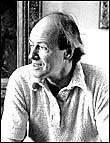
Author Bio:


Book Summary:

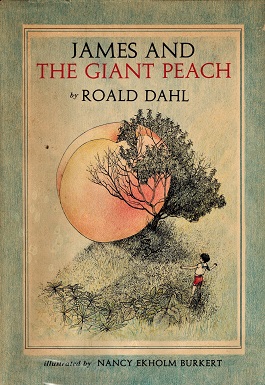
  • File:JamesAndTheGiantPeach.jpgAn orphan with terrible aunts for guardians, befriends human like bugs who live inside a giant peach, who take the boy on a journey to New York City.
You’re on a Gigantic Roll
(using quality details and strong verbs like Roald Dahl)
Teacher Instructions:
Step one (sharing the published model): 
  • After reading the story of James and the Giant Peach by Roald Dahl, reread chapter 16 in the section of the book where the peach's journey begins - once it has been freed from its stem by the centipede’s sharp jaws. As you read, emphasize the sights and sounds used.  Explain to the students that they will be writing the same type of description focusing on idea development and word choice.
Step two (introducing student models of writing): 
  • Inform students they will be writing their own large-object-rolling-through-something paragraph today. To inspire their thinking about this process, have students read and discuss the following two student examples. The students will certainly talk about the idea development in each of the examples, because of the post-it note that has been embedded on each model.  You might prompt your students to talk about each model's word choice as well.
Step three (thinking and pre-writing):
  • You can use the graphic organizer link below to help them come up with their own sounds and visuals to promote great idea development and word choice. First you can model it and then have them use it with the reading from James and the Giant Peach  or other literature samples you may find.  Then they will be familiar with it once they begin using it with their own writing. Gather a list of items that could be used (they must roll) and also a list of places or settings.
Step four (editing for conventions): 
  • After students apply their revision ideas to their drafts and re-write neatly, require them to find an editor. With yellow high-lighters in hand, each peer reads for and highlights suspected errors for just one item from the Editing Post-it

Student Instructions:
  • In Roald Dahl's novel James and the Giant Peach, the character James goes on a global adventure while taking a wild ride in and on a giant peach. Along the way, he makes friends and discovers strengths within himself.
  • Today you will be writing a descriptive paragraph of something rolling through/over a specific setting.  We know you have some great ideas. Use the gathered lists of objects that roll and setting to come up with your story. Finally, use the graphic organizer to come up with the best sights and sounds you can imagine.

Tuesday, March 8, 2011

Lesson Plan Five: Harry Potter and the Sorcerer’s Stone by J.K. Rowling

Author as Mentor Blog Lesson Five
Focus Trait: Organization
Support Trait: Idea Development
Grade Level: 7-12
Mentor Text: Harry Potter and the Sorcerer’s Stone by J.K. Rowling
Ohio Department of Education Academic Content Standards for Language Arts:
11-12 Program pg. 174: Writing: Writing Processes, A. Formulate writing ideas and identify a topic appropriate to the purpose and audience.
11-12 Program pg. 174: Writing: Writing Processes, B. Select and use an appropriate organizational structure to refine and develop ideas for writing.
11-12 Program pg. 174: Writing: Writing Processes, C. Use a variety of strategies to revise content, organization and style, and to improve word choice, sentence variety, clarity and consistency of writing.
11-12 Program pg. 174: Writing: Writing Processes, D. Apply editing strategies to eliminate slang and improve conventions.
11-12 Program pg. 174: Writing: Writing Applications, B, Write responses to literature that provide an interpretation, recognize ambiguities, nuances and complexities and that understand the author’s use of stylistic devices and effects created.
11-12 Program pg. 174: Writing: Writing Conventions, A. Use correct spelling conventions.
11-12 Program pg. 174: Writing: Writing Conventions, B. Use correct punctuation and capitalization.
11-12 Program pg. 174: Writing: Writing Conventions, C. Demonstrate understanding of the grammatical conventions of the English language.

Author Bio:
  • Joanne Rowling was born in Yate, near Bristol, a few miles south of a town called Dursley ("Harry Potter"'s Muggle-family). Her father Peter Rowling was an engineer for Rolls Royce in Bristol at this time. Her mother, Anne, was half-French and half-Scottish. They met on a train as it left King's Cross Station in London. Her sister Diana is about 2 years younger than Joanne. In 1971, Peter Rowling moved his family to the nearby village of Winterbourne (still in the Bristol vicinity). During the family's residence in Winterbourne, Jo and Di Rowling were friends with neighborhood children, Ian and Vikki Potter. In 1974, the Rowling family moved yet again, this time to Tutshill, near the Welsh border-town of Chepstow in the Forest of Dean and across the Severn River from the greater Bristol area. Rowling admits to having been a bit of a daydreamer as a child and began writing stories at the age of six.
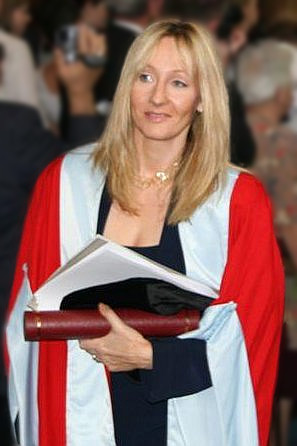
  • File:Jk-rowling-crop.JPGAfter leaving Exeter University, where she read French and Classics, she started work as a teacher but daydreamed about becoming a writer. One day, stuck on a delayed train for four hours between Manchester and London, she dreamed up a boy called "Harry Potter". That was in 1990. It took her six years to write the book. In the meantime, she went to teach in Portugal, married a Portuguese television journalist, had her daughter, Jessica, divorced her husband and returned to Britain when Jessica was just three months old. She went to live in Edinburgh to be near her sister, Di. Her sudden penury made her realize that it was "back-against-the-wall time" and she decided to finish her "Harry Potter" book. She sent the manuscript to two agents and one publisher, looking up likely prospects in the library. One of these agents that she picked at random based on the fact that she liked his name, Christopher Little, was immediately captivated by the manuscript and signed her on as his client within three days. During the 1995-1996 time-frame, while hoping to get the manuscript for "Harry Potter & The Philosopher's Stone" published, Rowling worked as a French teacher in Edinburgh. Several publishers turned down the manuscript before Bloomsbury agreed to purchase it in 1996.
Book Summary:

A Magical Animal Encounter
(writing a three-part story about meeting an animal with special powers)
Teacher Instructions:

Pre-step…before sharing the published model:
  • Ask students, “Has there ever been a time in your life when you met an animal that was talented in a way that surprised you? Brainstorm interesting animal talents as a whole class. Choose one talent and ask, "What animal might have this talent?" As a class, brainstorm what an encounter with the magical might be like. What would it sound like? Look like? Feel like?
  • Out loud, invent a simple three-part story in front of your students. Using spontaneous interesting details, act out 1) where you are when you see the animal, 2) what the animal is specifically doing when it performs its "magical" behavior, and 3) how the animal reacts when it sees you are watching it.
Step one (sharing the published model): 
  • Share from chapter two of Harry Potter and the Sorcerer's Stone: The Vanishing Glass, specifically pages 26-30, where Harry encounters the boa constrictor.
  • Since the focus of this writing exercise is idea development, focus on the details while the snake is magically communicating with Harry. When done, write the best descriptions--like "glistening brown coils”--where everyone can see them. Talk how Rowling's chapter tries to paint a picture in readers' minds as they read, and your students will be writing a three-part description that does the same.
Step two (introducing student models of writing):
  •  In small groups, have your students read and respond to any or all of the student models that come with this lesson.  The groups will certainly talk about the organization, since that's the focus of this lesson, but you might also have your students talk about the idea development in the writing too.
Step three (thinking, talking, and pre-writing):
  • Students first need to choose an animal and a special skill for their animal. Have your students compile a list of animals, magical or ordinary, they might encounter in their stories, but they could certainly think up animal ideas on their own. Just don't let them choose to write about a snake, since that was used within the mentor text.
  • Tell students their stories will have three parts: 1) a detailed description of where they (the narrator) are when they encounter the animal; 2) a detailed description of the animal performing its special skill and; 3) a description of how the animal reacts when it sees it is being watched by the narrator.
  • You might want to spontaneous act out another example, or revive your example from the pre-step above, so your students can hear all three parts aloud.
  • Have students talk about what details they might share if their stories had three parts. As they talk, encourage them to share an equal amount of details in each of their stories' three parts.
  • Then pass out this story-planning graphic organizer, which will help them plan and compose a rough draft.
  • When graphic organizers are completed, have students create an official rough draft on lined paper, encouraging them to add/edit even better words as they transfer the ideas from their organizer to lined paper. If you use this Drafting Sheet, students will be reminded to think further about idea development while they are composing. Have students highlight words and phrases they changed or added as they transferred their stories to lined paper.
Step four (editing for conventions):
  •  After students apply their revision ideas to their drafts and re-write neatly, require them to find an editor.   With yellow high-lighters in hand, each peer reads for and highlights suspected errors for just one item from the Editing Post-it
Student Instructions:
  • You’ll be writing a descriptive paragraph of an animal that has magic, a unique talent, or a special power. Think about the boa constrictor that Harry met in the zoo; it was unique and interesting. Model your amount of details after the chapter from the first book about Harry Potter.
    • Step #1 Look at the list gathered by your classmates to create an animal with unique--almost "magical"-- skills. Imagine where you might be when you encounter this animal, and imagine details you would need to share to show a reader exactly how this animal looked when it did its magical behavior. And think about what the animal would do if it noticed you watching it.
    • Step #2 Plan your story, using the graphic organizer the teacher will give you. The graphic organizer will help you know when to make a new paragraph in your writing.
    • Step #3 Write your three-part description on your own paper. Use a highlighter to show where you added interesting adjectives or adverbs that weren't on your original graphic organizer.
    • Step #4 Revise your story and make it even better. Publish your story with an original picture.

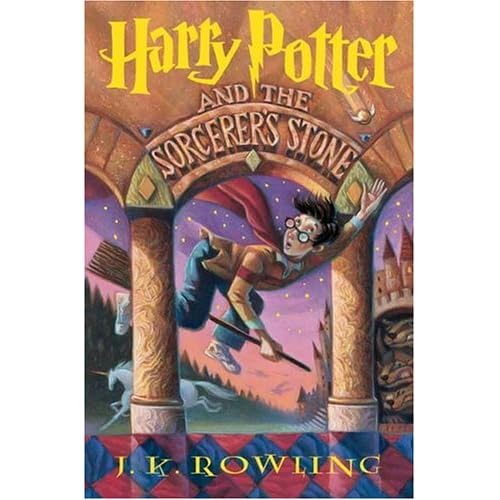
  • Rescued from the outrageous neglect of his aunt and uncle, a young boy with a great destiny proves his worth while attending Hogwarts School of Witchcraft and Wizardry.

Lesson Plan Four: The Subtle Knife by Philip Pullman

Author as Mentor Blog Lesson Four
Focus Trait: Idea Development
Support Trait: Word Choice
Grade Level: 9-12
Mentor Text: The Subtle Knife by Philip Pullman
Ohio Department of Education Academic Content Standards for Language Arts:
  • 11-12 Program pg. 174: Writing: Writing Processes, A. Formulate writing ideas and identify a topic appropriate to the purpose and audience.
  • 11-12 Program pg. 174: Writing: Writing Processes, B. Select and use an appropriate organizational structure to refine and develop ideas for writing.
  • 11-12 Program pg. 174: Writing: Writing Processes, C. Use a variety of strategies to revise content, organization and style, and to improve word choice, sentence variety, clarity and consistency of writing.
  • 11-12 Program pg. 174: Writing: Writing Processes, D. Apply editing strategies to eliminate slang and improve conventions.
  • 11-12 Program pg. 174: Writing: Writing Applications, B, Write responses to literature that provide an interpretation, recognize ambiguities, nuances and complexities and that understand the author’s use of stylistic devices and effects created.
  • 11-12 Program pg. 174: Writing: Writing Conventions, A. Use correct spelling conventions.
  • 11-12 Program pg. 174: Writing: Writing Conventions, B. Use correct punctuation and capitalization.
  • 11-12 Program pg. 174: Writing: Writing Conventions, C. Demonstrate understanding of the grammatical conventions of the English language.
Book Summary:
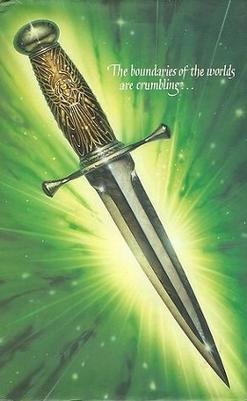
  • File:Sknife.JPGThe Subtle Knife is the second book in the three-volume His Dark Materials series and continues the story of the conflict between the Authority, personified by the Church, that demands humility and submission from all creatures and those who rebel against the Authority's control. This book introduces the character of Will Parry, a twelve-year-old boy who stumbles into another world by accident. Will joins Lyra, the protagonist from the first book in the trilogy, and even though they have different goals and objectives at first, they discover that they are both an integral part of the same battle.

Author Bio:
  • Philip Pullman was born in Norwich on 19th October 1946. The early part of his life was spent travelling all over the world, because his father and then his stepfather were both in the Royal Air Force. He spent part of his childhood in Australia, where he first met the wonders of comics, and grew to love Superman and Batman in particular.
  • After he left school he went to Exeter College, Oxford, to read English. He did a number of odd jobs for a while, and then moved back to Oxford to become a teacher. He taught at various middle schools for twelve years, and then moved to Westminster College, Oxford, to be a part-time lecturer. He taught courses on the Victorian novel and on the folk tale, and also a course examining how words and pictures fit together. He eventually left teaching in order to write full-time.


Creating a Parallel World
(using similarities and differences when describing a parallel world)
Teacher Instructions:
Pre-step…before sharing the published model: 
  •  Have a discussion with your students to remind them what similarities and differences are. Discuss the importance of looking for thoughtful similarities and differences, which means ones that can be talked about in depth. If asked to find a similarity between The Golden Compass and The Subtle Knife, for example, saying "Both have page numbers" is not anything that can be talked about with depth, but saying "Both are about saving the world and about saving the soul" could be.
  • Give students two topics you've been studying and have them come up with one DEEP DIFFERENCE and a DEEP SIMILARITY between the two topics. For fun, you might have them also come up with a SHALLOW DIFFERENCE and a SHALLOW SIMILARITY.
Step one (sharing the published model):
  • Read pages 14 – 24 (in our paperback edition) of Philip Pullman’s The Subtle Knife to your class. If you have a different copy, this section begins when Will observes a cat vanish into a parallel world. He proceeds to follow it through a portal, and ends up in this parallel world. He soon meets Lyra, who has also entered this parallel world from her own world. They soon discover that though many things are similar to all three worlds, there are some differences. The reading selection that is important for this lesson ends after they eat a meal.
  • After reading this selection, create a master list of similarities and differences on your board or overhead. Point out that the differences don’t have to be “big” things (Lyra doesn’t have baked beans in her world, for example), but they want to make sure they don't just look for "small" and easy things. Encourage them to find both big and small similarities and differences.
  • You may want to have a discussion about things that they would like to change about our world if they could (both big and small) as these might be interesting elements to base their parallel world on.
  • Tell your students that they will be creating an original narrative with a main character, who enters a parallel world. Their character will have a goal to achieve in the story, and students will have to determine what will be similar and what will be different about this parallel world as they take their character on his/her adventure.
Step two (introducing student models of writing):
  • In small groups, have your students read and respond to any or all of the student models that come with this lesson.  The groups will certainly talk about the idea development, since that's the focus of this lesson, but you might also have your students talk about the word choice in the writing too.
Step three (thinking and pre-writing):
  • As students plan to begin writing, they may certainly use the similarities and differences noted in The Subtle Knife, but they shouldn’t stop there. Their first step is to determine who their character is and what he or she is going to do in the narrative. 
  •  Once students have a character and plot idea determined, they will be better prepared to start coming up with similarities and differences for the parallel world. Have them use this graphic organizer's "Similarity and Difference Grid" to begin jotting down ideas. They can also use ideas from the master list you created together from the book.
  • Students should create outlines or storyboards before creating their rough drafts; they should also talk with fellow students about how their stories are coming along in the planning before they begin writing. Use your own methods for outlines or storyboards, if you agree. The "Event Planner" on the graphic organizer to have writers map out their story plots.
  • The last piece of the graphic organizer is the Word Bank. Students should brainstorm some higher-level verbs and adjectives to incorporate into their narratives before they begin writing. Have them record these on the graphic organizer so they don’t have to be sitting in front of a computer when they start their rough draft. If you aren’t going to use a computer lab where students can access the interactive buttons, you can have a brainstorming session with your students to create a word bank. You may want to refer to vocabulary and/or a word wall that you have used throughout the year for additional ideas.
  • When students are ready to move from the graphic organizer to the rough draft, you might have them use this Drafting Worksheet with Idea Development Checklist. It is designed to have them continue thinking about the focus trait--idea development--before, during, and after they compose their rough drafts.
Step four (editing for conventions): 
  • After students apply their revision ideas to their drafts and re-write neatly, require them to find an editor. With yellow high-lighters in hand, each peer reads for and highlights suspected errors for just one item from the Editing Post-it
Student Instructions:
  • Today, you will create a story where one character leaves our world and enters a parallel world, where many things are the same as they are to us, but where there are some interesting differences. The fun part is that you get to create both an original main character, and you get to create an original parallel world. What will be the same? What will be different? What objects will not be in the parallel world that we have in ours? Will there be things in the parallel world that we haven't ever seen?
    • Step 1: Determine who your main character is and what his or her goal is going to be in your story. Pick a character and a goal. You can always create your own!
    •  Step 2: Once you know what your story will be about, and using The Subtle Knife as inspiration, brainstorm some things that will be the same in the parallel world as we have in ours. In Pullman’s story, Will sees shops, cafes, streets, food, and drink that he recognizes.
    • Step 3: Next, determine what will be different in the parallel world. In The Subtle Knife, Lyra does not recognize soda-pop or baked beans, for example. Brainstorm a list of things that we have that the parallel world does not have; also think about things that we don’t have that the parallel world might have. Use your imagination – create fun and interesting things in your parallel world! Maybe there are similar objects, but they have different names in the parallel world. Be creative!
    •  Step 4: Create an outline for a rough draft OR draw a few pictures to storyboard what is going to happen in your narrative.
    •  Step 5: Write your rough draft! Prepare to share it with a friend.
    • Step 6: Revise and publish your final draft.

Sunday, March 6, 2011

Lesson Plan Three: The Glory Field by Walter Dean Myers

Author as Mentor Blog Lesson Three
Focus Trait: Voice
Support Trait: Word Choice
Grade Level: 9-12
Mentor Text: The Glory Field by Walter Dean Myers
Ohio Department of Education Academic Content Standards for Language Arts:
  • 11-12 Program pg. 174: Writing: Writing Processes, A. Formulate writing ideas and identify a topic appropriate to the purpose and audience.
  • 11-12 Program pg. 174: Writing: Writing Processes, B. Select and use an appropriate organizational structure to refine and develop ideas for writing.
  • 11-12 Program pg. 174: Writing: Writing Processes, C. Use a variety of strategies to revise content, organization and style, and to improve word choice, sentence variety, clarity and consistency of writing.
  • 11-12 Program pg. 174: Writing: Writing Processes, D. Apply editing strategies to eliminate slang and improve conventions.
  • 11-12 Program pg. 174: Writing: Writing Applications, B, Write responses to literature that provide an interpretation, recognize ambiguities, nuances and complexities and that understand the author’s use of stylistic devices and effects created.
  • 11-12 Program pg. 174: Writing: Writing Conventions, A. Use correct spelling conventions.
  • 11-12 Program pg. 174: Writing: Writing Conventions, B. Use correct punctuation and capitalization.
  • 11-12 Program pg. 174: Writing: Writing Conventions, C. Demonstrate understanding of the grammatical conventions of the English language.
Book Summary:
  • This captivating saga of one black family takes readers on a journey from slavery to modern times. The book features teenagers from five generations, each undergoing a crisis that leads them to maturity. The collection of stories is compelling. Together they present a dynamic portrait of the progress of black people in the United States. A riveting, important book for all Americans.
  • In 1753, ten-year-old Muhammad is chained in the hold of a slave ship. In 1864 thirteen-year-old Lizzie escapes from slavery. After the war the family receives the Glory Field as their own farm. In 1900, they struggle to pay their taxes, and fifteen-year-old Elijah earns the money by saving a blind white boy. In 1930, his sixteen-year old daughter, Luvenia, is fired from her job in Chicago but decides to start her own business.
  • Back in South Carolina in 1964, sixteen-year-old Tommy, who has a chance to become the first black to enroll in the local state college, loses the opportunity when he stages a demonstration for civil rights. In 1994, Luvenia gives money to Malcolm to attend the family reunion, but Malcolm has difficulty trying to travel with his crack-addicted cousin, Shep. In South Carolina, Malcolm helps bring in the last crop from the Glory Field and learns his family's history.
Author Bio:
  •  Walter Dean MyersWalter Dean Myers is a pioneer of young adult fiction. His novels about urban teens and the challenges they face have won him both a devoted readership and dozens of book awards. His eighty-plus titles include Monster, Scorpions, and a memoir of his own youth, Bad Boy. Once thought to have been aimed at the so-called "at-risk" reader, Myers's books have stood the test of time as "poignant, tough stories for and about kids who don't appear in most storybooks," asserted Sue Corbett in a Knight Ridder/Tribune News Service report. "Children whose fathers are absent or jailed. Children who share playgrounds with drug dealers and gangs. Teens struggling to maintain their dignity while living with poverty, violence and fear."
“Voicing” a Believable Account
(How would it feel to really wear someone else’s skin?)
Teachers Instructions and Lesson Resources:
Pre-step (using a picture book to start a discussion before sharing from the young adult novel):
  • Share the story “The Sneetches” by Dr. Seuss to the students. This story is about a set of beings called Sneetches. Within their culture, there exists a small class system between the star-bellied Sneetches and the bare-bellied Sneetches. One group of Sneetches is perceived as better than the other.  As you are sharing the story, students should listen for the voices of the three major sets of characters: the star-bellied Sneetches, the bare bellied Sneetches, & the salesman. The students should look for evidence from the story to support how they would describe each set's voices. To direct students thinking during the reading, have the students fill out the “Sneetches”reading guide.
  • Have students discuss the responses they wrote on their reading guides. These discussions can be in the form of small group discussions or whole class discussions.  As a class, discuss different tactics Dr. Seuss uses to tell his story (i.e. the rhyming scheme Seuss is notorious for, dialogue of the characters, events in the story).  Talk about different ways writers make written descriptions more vibrant  (i.e. using the thesaurus to use synonyms for dead words, or using metaphors, similes and other figurative language to enhance descriptions).
Step one(sharing the published model):
  • Read the fist chapter of The Glory Field by Walter Dean Myers. This novel follows the history of a black American family. The story is told from the points-of-view of several different members of this family. These characters' different stories are told as they happened in history. One major character lives in modern times. Another lives during the Civil Rights Movement. Another lives on a Southern plantation during slavery. And the character who is featured in the first chapter is an African forced into a slave ship.
  • For the reading of the first chapter to be effective, it is important that students actually see the words as you read them. So, you may want to make copies or overheads of the chapter OR use class sets of the novel, so that students may follow along.
  • After you've read the chapter, have students locate words and phrases in the chapter that use descriptive voice-laden language...that makes the experience in the ship come alive for the reader. Use this Glory Field Reading Guide for students to record their examples. In small group discussions have students share the phrases they chose and talk about the images they see because of those phrases.
Step Two (introducing student models of writing):
Step Three (thinking and pre-writing):
  • Before they start writing, remind the students that they are aiming or accomplishing two objectives with their one-page rough draft :
    • capturing a real voice for a fictional narrator
    • using imagery-filled language to help reader "see" what is going on
  • You might have them revisit their Glory Field Reading Guide ideas once more before drafting.
  • To encourage more voice in students' rough drafts, you might have them compose their rough drafts on the drafting sheet.
Step Five (editing for conventions):
  • After students apply their revision ideas to their drafts and re-write neatly, require them to find an editor. With yellow high-lighters, each peer reads of and highlights suspected errors for just one item from the Editing Post-it.


Tuesday, March 1, 2011

Lesson Plan Two: Using “Death Be not Proud” by John Donne and The Book Thief by Markus Zusak


Author as Mentor Blog Lesson Two
Focus Trait: Voice
Support Trait: Idea Development
Grade Level: 9-12
Mentor Text: Poem: “Death Be not Proud” by John Donne and The Book Thief by Markus Zusak
Ohio Department of Education Academic Content Standards for Language Arts:
·         11-12 Program pg. 174: Writing: Writing Processes, A. Formulate writing ideas and identify a topic appropriate to the purpose and audience.
·         11-12 Program pg. 174: Writing: Writing Processes, B. Select and use an appropriate organizational structure to refine and develop ideas for writing.
·         11-12 Program pg. 174: Writing: Writing Processes, C. Use a variety of strategies to revise content, organization and style, and to improve word choice, sentence variety, clarity and consistency of writing.
·         11-12 Program pg. 174: Writing: Writing Processes, D. Apply editing strategies to eliminate slang and improve conventions.
·         11-12 Program pg. 174: Writing: Writing Applications, B, Write responses to literature that provide an interpretation, recognize ambiguities, nuances and complexities and that understand the author’s use of stylistic devices and effects created.
·         11-12 Program pg. 174: Writing: Writing Conventions, A. Use correct spelling conventions.
·         11-12 Program pg. 174: Writing: Writing Conventions, B. Use correct punctuation and capitalization.
·         11-12 Program pg. 174: Writing: Writing Conventions, C. Demonstrate understanding of the grammatical conventions of the English language.
Author Bio One:
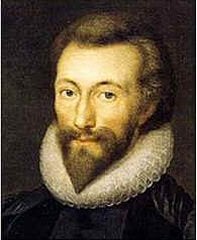
·         John Donne—English poet, Anglican (Church of England) minister, and public speaker—is ranked with John Milton (1608–1674) as one of the greatest English poets. He was also a gifted artist in sermons and devotional writing.


Author Bio Two:
·         At the age of 30, Markus Zusak is one of today's most innovative and poetic novelists. With the publication of The Book Thief, he is now being dubbed a 'literary phenomenon' by critics in Australia, the U.S, and around the world. The Book Thief, which has spent more than a year on the New York Times Bestseller list, is the recipient of numerous awards and accolades including a 2007 Printz Honor for excellence in young adult literature and a 2007 Book Sense Book of the Year Award. Zusak is the award-winning author of four previous books for young adults:The Underdog, Fighting Ruben Wolfe, Getting the Girl, and I Am the Messenger, recipient of a 2006 Printz Honor. He lives in Sydney, Australia, with his wife and daughter.

Book Summary:
·         The Book Thief takes place in Germany before and during World war II. The story is told from the point of view of Death, who finds the story of the Book Thief, Liesel Meminger, to be very interesting, as she brushed Death three times in her life. The novel begins when Liesel's mother takes Liesel and her brother Werner to live with foster parents, Hans and Rosa Hubermann. We learn that her father is a communist, and her mother is soon to be in trouble with the Nazi Party. Her brother dies during the trip and Liesel stealsThe Grave Digger's Handbook, fallen in the snow. This begins her love for reading and words, as well as kept her close to her brother. Liesel's foster mother and father, Hans and Rosa Hubermann, treat her well, though Rosa often insults Liesel by calling her a pig (saumensch in German)- affectionately, of course. Hans teaches her how to read using "The Gravedigger's Handbook", which she took after a gravedigger dropped it while burying Liesel's brother, and she continues stealing books from various sources - mainly the library of Ilsa Hermann, the mayor's wife, a friend of hers who enjoys and tolerates her thievery; she also steals from Nazi book burnings. Liesel also befriends the other children of Himmel Street, including Rudy Steiner, who is in love with her and is also her best friend. She helps a Jewish man named Max Vandenburg, whose father saved Liesel's foster father himself, get back up on his feet.
Death Personified (or Life, Have a Seat... We Need to Talk)
(creating an original poem based on a creative dialogue with an abstract idea or object)
Teacher Instructions and Lesson Resources
Pre-step (before sharing the published model): 
·         Have students do a quick-write in which they make a list of five important things they haven’t said, but would say to someone if they had the guts/knew there would be no consequences. Students can choose one person to say five things to or five different people. They can be positive or negative. However you decide to do this, keep in mind that the goal is for students to mine their brains for important things they really want to say to people.
Step one (sharing the first mentor text): 
·         This lesson’s final product is modeled after the poem, “Death Be Not Proud” by John Donne, in which the poet addresses “Death” as a personified entity. Donne uses a strong, condescending, almost mocking tone towards death while attacking the pride Death feels for putting such fear in the minds of people. This tone will interest and surprise students as they contemplate the thought of taunting death in such a way. What if Death can hear him?
·         Put a copy Donne's poem on the smartboard or overhead and read aloud to students once without stopping, and then slower while you break down Donne’s language and have kids analyze what he is saying and why. Students should fill in the first page of the graphic organizer as you read and discuss. It is important that the students are processing while they read the poem and logging any thoughts and questions that come to mind. Have a discussion about whether John Donne was effective in the areas of voice and idea development. Do they know the message of the poem? How? Do they know how the poet felt about the topic? How? Students should look for specific words and lines that support the traits of voice and idea development.
·         Tell students they will be writing a poem modeled after Donne's idea.
Step two (introducing student models of writing): 
·         In small groups, have your students read and respond to any or all of the student models that come with this lesson.  The groups will certainly talk about the voice, since that's the focus of this lesson, but you might also have your students talk about the idea development in the writing too.
Step three (deciding on a topic, thinking about the second mentor text, and pre-writing):
·         Guide students as they work through the second page of the graphic organizer. This step is crucial as they brainstorm potential topics. It is absolutely imperative that students choose a topic they have important things to say about. Idea development shows you have an important message or theme, while voice shows that you care about it. Like all poetry (and writing in general), students must be invested in the topic if you want it to be authentic.
·         After completing page two of the graphic organizer, have students model Donne’s poem and write their own draft of a poem to their abstract idea/object. They can use page six of the G.O. but have them leave the right half of it blank for now.
·         Next, introduce the lesson’s second mentor text, The Book Thief by Markus Zusak. This beautiful and disturbing novel employs Death as the narrator and, in the process, gives death a very powerful, unique persona. The voice, personality and point of view of death are a vast contradiction from that cold, arrogant recipient of Donne’s lecture. Students will have strong reactions to it. If, sadly, you do not plan to read the novel in its entirety, use several excerpts: 1) From the prologue to page 24 where death says, “no one waved back”; 2) pgs 307-310; 3) pgs 336-338; and 4) 529-550.
·         While students read the novel or excerpts (individually, in small groups or whole class), have them fill out page three of the graphic organizer which has them document death’s characteristics and views as well as compare/contrast death as represented in the two mentor texts. Now that they have two contradicting views of who/what death really is students will complete page four of the G.O. and then write a response poem to John Donne from death itself. On page five of the graphic organizer, students should write their poem, using voice, tone and personification to capture death’s point of view.
·         Finally, students will write a response poem to themselves from their chosen object/idea on page six (of graphic organizer) next to their original piece.
Step four (editing for conventions): 
·         After students apply their revision ideas to their drafts and re-write neatly, require them to find an editor.   With yellow high-lighters in hand, each peer reads for and highlights suspected errors for just one item from the Editing Post-it.
Student Instructions:
·         In life, you have plenty of things to say to people, and most of you do not hesitate to say them. Whether it is telling your mom, “That’s not fair!” or your best friend, “What were you thinking?” or even the person in the car next to you, “Where did you learn to drive,” we have all kinds of things that we feel we need to say to human beings and even pets.
·         But often times non-living things need to be questioned, lectured, complimented or scolded as well. Just what would you say to Love, Time, the Future or the Mirror? And how would you say it? Would it be a kind and gentle tone or would your voice crack and your fists shake as you yelled it? Would your words be driven by annoyance, fondness, fear or humor? And what might that object say back? Are you sure you have personified these objects accurately?
·         After jotting down some things you would like to say to an abstract idea or object and how you might say them, you will read and analyze John Donne’s poem, “Death Be Not Proud,” in which he talks to Death in a direct and condescending tone. What words let us know how he feels about death? What details tell us his mood towards death?
·         Then it will be your turn to write a poem in which you choose an object or idea and say what needs to be said in the necessary tone, as well as a poem from your object in response. If you have trouble thinking of an object, idea or tone, use the interactive buttons below to help generate ideas. Remember the focus trait is voice so the mood or tone you choose should be clearly conveyed. The support trait is idea development so you must choose unique, quality details to drive your message.